
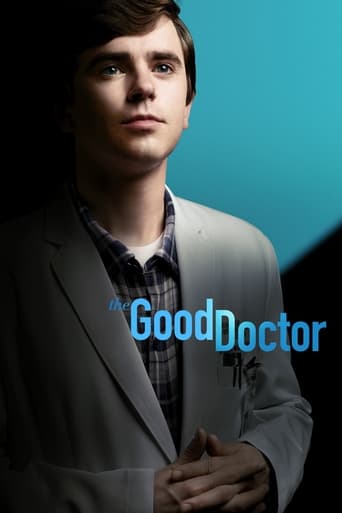
 The Good Doctor2017 · 7 seasons
CokeAndPopcorn: a directory of TV shows worth a sofa, from I Love Lucy, Cheers and Friends to The Office, Modern Family and Schitt's Creek, and where to watch them
172 series, 811 seasons and 15,835 episodes, listed from A to Z, each with its seasons and a Watch now button.
The directory
- 8 Simple Rules
- A.N.T. Farm
- Acapulco
- According to Jim
- All Creatures Great & Small
- Amazing Stories
- American Housewife
- Andi Mack
- Austin & Ally
- Away
- The Baby-Sitters Club
- Bella and the Bulldogs
- Best Friends Whenever
- Better Off Ted
- The Beverly Hillbillies
- The Big Bang Theory
- Big Shot
- Bizaardvark
- black-ish
- Bleak House
- The Bob Newhart Show
- Boy Meets World
- BUNK'D: Learning the Ropes
- Charles in Charge
- Cheers
- Chesapeake Shores
- Coach
- Community
- Country Comfort
- Cranford
- Dash & Lily
- David Copperfield
- Derry Girls
- Detectorists
- The Dick Van Dyke Show
- Dinosaurs
- Dog with a Blog
- Doogie Howser, M.D.
- Doogie Kamealoha, M.D.
- Downton Abbey
- Drake & Josh
- Eureka
- Everybody Loves Raymond
- The Facts of Life
- Family Matters
- Family Reunion
- Fawlty Towers
- Flipper
- Freaks and Geeks
- Free Rein
- Fresh Off the Boat
- The Fresh Prince of Bel-Air
- Friday Night Lights
- Friends
- From the Earth to the Moon
- Fuller House
- Game Shakers
- Geek Girl NEW!
- Georgie & Mandy's First Marriage NEW!
- The Gilded Age NEW!
- Gilligan's Island
- Gilmore Girls
- Girl Meets World
- The Goldbergs
- The Good Doctor
- Good Luck Charlie
- The Good Place
- Green Acres
- Growing Pains
- H2O: Just Add Water
- Hannah Montana
- Hart of Dixie
- High School Musical: The Musical: The Series
- Holly Hobbie
- Home Improvement
- The Honeymooners
- How I Met Your Mother
- I Dream of Jeannie
- I Love Lucy
- iCarly
- The IT Crowd
- Jane Eyre
- Jeeves and Wooster
- The Jeffersons
- Julia NEW!
- Keeping Up Appearances
- Kyle XY
- Lassie
- Last Man Standing
- Laverne & Shirley
- Leave It to Beaver
- The Librarians
- Life in Pieces
- Little House on the Prairie
- Liv and Maddie
- Lizzie McGuire
- Lost in Austen
- Mad About You
- Mako: Island of Secrets
- Man vs Baby NEW!
- Man vs Bee NEW!
- Man with a Plan
- The Mary Tyler Moore Show
- McLeod's Daughters
- Melissa & Joey
- Merlin
- The Michael J. Fox Show
- The Middle
- The Mighty Ducks: Game Changers
- Miranda
- Mister Ed
- Modern Family
- The Monkees
- Moone Boy
- Mr. Bean
- Mr. Iglesias
- My Life with the Walter Boys NEW!
- The Mysterious Benedict Society
- The Nanny
- The Neighborhood
- Newhart
- Night Court
- North & South
- Northern Exposure
- The Odd Couple
- The Office
- Only Fools and Horses
- Open All Hours
- Outnumbered
- The Paradise
- Perfect Strangers
- Pride and Prejudice
- Quantum Leap
- Raven's Home
- Reba
- Sanditon
- The Santa Clauses NEW!
- Saved by the Bell
- Schitt's Creek
- Schmigadoon!
- School of Rock
- Scrubs
- Single Parents
- Small Wonder
- Spinning Out
- Step by Step
- Still Standing
- Stuck in the Middle
- Suburgatory
- The Suite Life of Zack & Cody
- Superstore
- Sweet Magnolias
- Taxi
- That '70s Show
- That's So Raven
- The Time Tunnel
- Trying
- Ugly Betty
- Vanity Fair
- Victoria
- Victorious
- Voyagers!
- Warehouse 13
- Welcome Back, Kotter
- The West Wing
- When Calls the Heart
- Who's the Boss?
- Wings
- The Wonder Years
- Young Rock
- Zeke and Luther
- Zoey's Extraordinary Playlist
Most watched shows see all (172)
The Good Doctor2017 · 7 seasons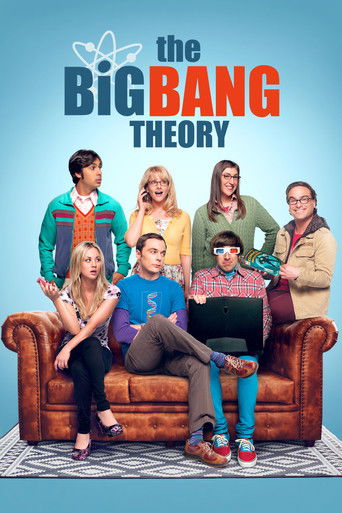 The Big Bang Theory2007 · 12 seasons
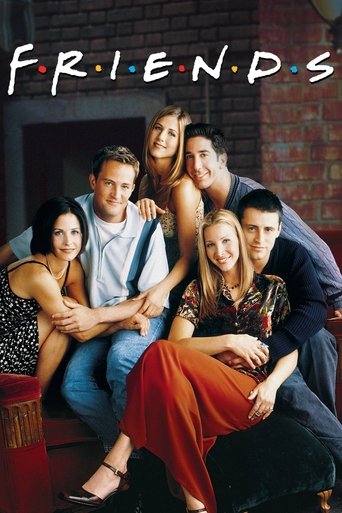 Friends1994 · 10 seasons
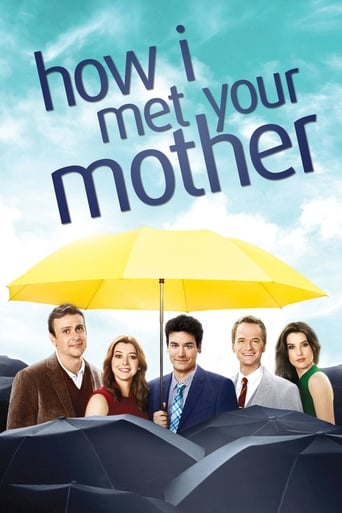 How I Met Your Mother2005 · 9 seasons
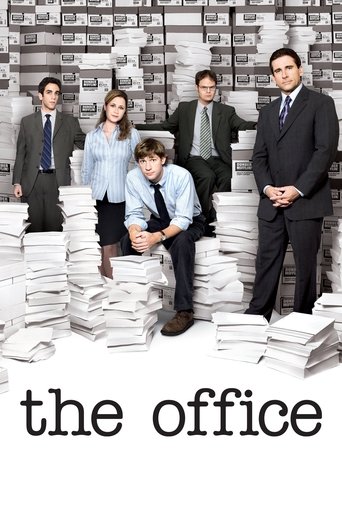 The Office2005 · 9 seasons
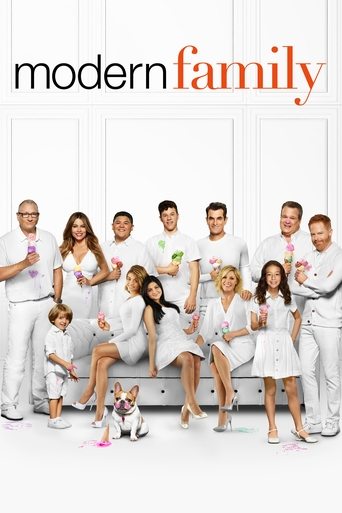 Modern Family2009 · 11 seasons
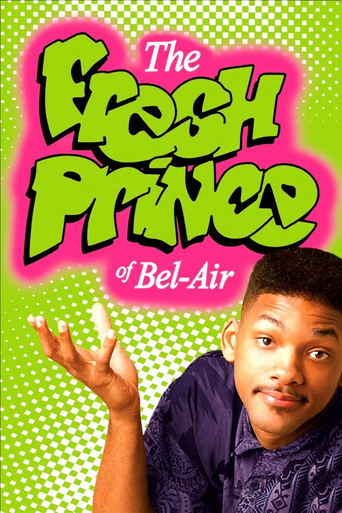 The Fresh Prince of Bel-Air1990 · 6 seasons
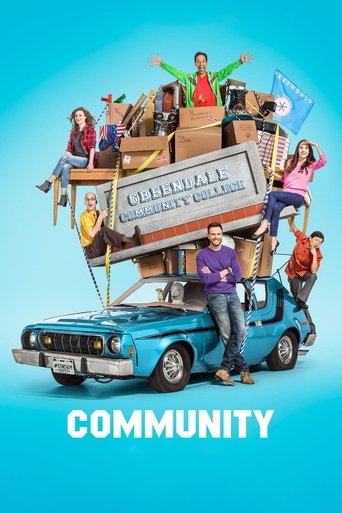 Community2009 · 6 seasons
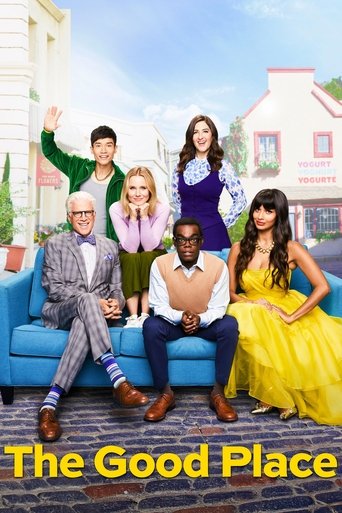 The Good Place2016 · 4 seasons
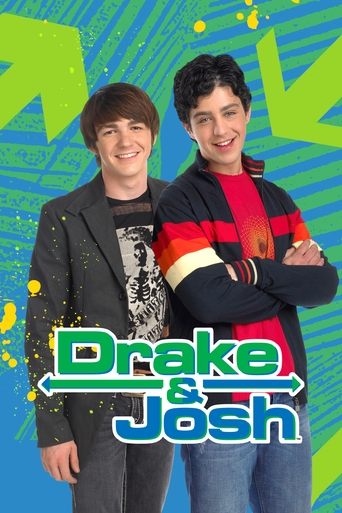 Drake & Josh2004 · 4 seasons
 Victorious2010 · 4 seasons
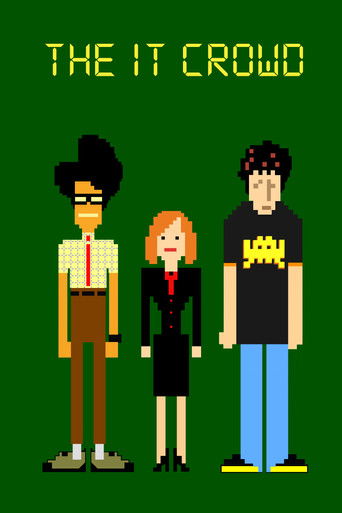 The IT Crowd2006 · 4 seasons
Top rated see all (96)


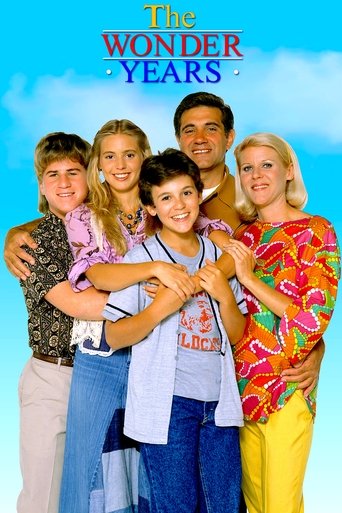
The CokeAndPopcorn guide to TV shows
CokeAndPopcorn: a directory of TV shows worth a sofa, from I Love Lucy, Cheers and Friends to The Office, Modern Family and Schitt's Creek
A film asks for two hours. A television series asks for a season of your life, and the good ones give back a group of people you come to know as well as your neighbours. CokeAndPopcorn is a directory of those series. It lists 172 of them, first shown between 1951 and 2025, with 811 seasons and 15,835 episodes between them, and it prints every name from A to Z on the home page so that you can run a finger down the list. Each series has a page with its first year, its rating, its cast, a short summary, every season and episode in order, and a button that leads to the official services where it can be watched.
The directory leans towards comedy and good company. A hundred and thirty-six series are comedies, and ninety-two of those are sitcoms in the classic sense, half-hour stories with a regular cast and a familiar set. Seventy-two are dramas, sixty-two suit family viewing and thirty-eight are teen favourites. Twenty-one involve science fiction, magic or adventure, nineteen are set in a workplace and seventeen are period pieces. Twenty-three series began before 1980, sixteen in the 1980s, twenty in the 1990s, thirty-six in the 2000s, fifty-two in the 2010s and twenty-five in the 2020s. Ninety-six hold an audience rating of seven and a half or higher.
The Watch now button opens JustWatch for the country you choose and shows the subscription, rental, purchase and free services that carry the series there. CokeAndPopcorn itself is a guide: it lists, describes and points the way. The how to watch page explains the steps in a few lines.
How the directory works
Most guides to television show a wall of posters. CokeAndPopcorn begins with words. Under the heading of the home page stands the whole catalogue as a plain alphabetical list in columns, each title a link, with a red NEW mark beside the series that began in the last few years. It is the quickest way to answer the question that brings most people to a television guide, which is simply whether a particular show is here.
Below the list, the page divides in two. On the left are grey boxes with thick borders that sort the catalogue by kind, from sitcoms to period pieces, and by decade. On the right are panels of posters showing the most watched series and the highest rated. Every card gives the first year and the number of seasons, which matters with television more than any other figure: a viewer deciding between a show of six episodes and one of two hundred and seventy is making a different kind of promise.
A series page lists the seasons in order, and within each the episodes by number and title with their first air dates, so that you can keep your place over weeks or months. The finding titles page describes every route into the directory.
Television's first families
Twenty-three series come from before 1980, and the oldest of them invented the form. I Love Lucy began in 1951. Lucille Ball played a housewife with a genius for schemes and Desi Arnaz her bandleader husband, and the way the show was made, on film, with three cameras, in front of a live audience, became the standard method for comedy for the next half-century. The scene in which Lucy and her friend Ethel try to keep up with a conveyor belt of chocolates is still taught as a model of physical comedy.
The Honeymooners followed in 1955, with Jackie Gleason as a New York bus driver whose plans to get rich collapse every week in a bare two-room flat. Leave It to Beaver showed the suburbs through the eyes of a small boy, and Lassie, which ran for nineteen seasons and almost six hundred episodes, made a collie the most dependable hero on the air.
The 1960s brought wit and whimsy in equal measure. The Dick Van Dyke Show followed a television comedy writer at work and at home, with Mary Tyler Moore as his wife, and its scripts set a standard for sophistication. Around it flourished the high-concept comedies: seven castaways on Gilligan's Island, an astronaut with a genie in I Dream of Jeannie, a talking horse in Mister Ed, a mountain family in a mansion in The Beverly Hillbillies, a New York lawyer on a farm in Green Acres and a made-for-television pop group in The Monkees.
In the 1970s the sitcom grew up. The Mary Tyler Moore Show gave television a single woman with a career in a Minneapolis newsroom and surrounded her with one of the best ensembles ever assembled. The Bob Newhart Show set a mild psychologist among his patients, The Jeffersons moved a self-made family to a smart Manhattan flat for eleven seasons, and Taxi spent the night shift in a New York cab garage. From Britain came the twelve perfect episodes of Fawlty Towers, with John Cleese as the rudest hotelier in Torquay, and Open All Hours, with Ronnie Barker behind the counter of a corner shop. The before 1980 page lists them all.
The 1980s: everybody knows your name
Sixteen series date from the 1980s, and one of them stands above the rest. Cheers opened in 1982 in a basement bar in Boston run by a former baseball pitcher, and for eleven seasons and 269 episodes its regulars came down the stairs to be greeted by name. It is a comedy about a place where people are accepted as they are, and its long central romance, between the barman and an over-educated waitress, taught later shows how to keep an audience waiting.
The family sitcom filled the early evening. Growing Pains, Who's the Boss?, Family Matters and Charles in Charge each built a household that viewers visited weekly, and Small Wonder added a robot daughter. Night Court found comedy in a Manhattan courtroom after dark, Newhart in a Vermont inn, Perfect Strangers in the friendship of two cousins from different worlds, and Coach on a university football field.
The decade closed with three shows of real originality. The Wonder Years looked back on 1968 through the eyes of a twelve-year-old, with the voice of his adult self as narrator. Quantum Leap sent a scientist leaping from life to life through recent history, putting right what once went wrong. And Saved by the Bell turned a Californian high school into a Saturday-morning institution. In Britain, Only Fools and Horses made a market trader from south London and his younger brother the best-loved characters on television.
The 1990s: six friends and a fresh prince
Twenty series come from the 1990s, the decade in which the sitcom was the most watched thing on television. Friends began in 1994 and ran for ten seasons and 228 episodes. Six people in their twenties share two flats and a coffee house in New York, and the show's secret was that it described the years when friends are your family. Its haircuts, catchphrases and orange sofa became part of the furniture of the decade, and new viewers find it every year.
The Fresh Prince of Bel-Air sent a streetwise teenager from Philadelphia to live with rich relatives in California and made Will Smith a star. Home Improvement gave Tim Allen a tool show and three sons. The Nanny put a woman from Queens in a Broadway producer's mansion, Mad About You followed the first years of a marriage, and Everybody Loves Raymond found nine seasons of comedy in a sportswriter whose parents live across the street. Step by Step, Boy Meets World and Wings were weekly fixtures, and Dinosaurs played the family sitcom with puppet reptiles.
Britain contributed three shows of very different temper. Mr. Bean has only a handful of episodes and hardly a line of dialogue, which is why it is understood everywhere. Keeping Up Appearances follows a suburban snob who insists that her surname is pronounced Bouquet. Jeeves and Wooster pairs Hugh Laurie and Stephen Fry as P. G. Wodehouse's idle young gentleman and his omniscient valet.
The end of the decade produced three series that critics still rank among the best ever made. Freaks and Geeks lasted a single season of eighteen episodes, set in a Michigan high school in 1980, and launched a generation of actors and writers. The West Wing walked and talked through the corridors of a fictional White House for seven seasons and made public service look like the most exciting job in the world. That '70s Show spent eight seasons in a Wisconsin basement. In drama, Northern Exposure sent a New York doctor to a small town in Alaska, and the BBC's six-part Pride and Prejudice of 1995 became the adaptation by which all others are judged.
The 2000s: the camera looks back
Thirty-six series began in the 2000s, and the decade changed how comedy was filmed. The Office, which reached American screens in 2005, was made to look like a documentary about a paper company in Scranton, Pennsylvania. The studio audience and the recorded laughter are gone; the jokes are in the pauses and in the glances that the staff throw at the camera. Its regional manager, played by Steve Carell, wants above all to be liked, and across nine seasons the show grew from a comedy of embarrassment into one of real affection. It holds the highest rating in the directory.
Modern Family borrowed the same device in 2009 for three linked households and ran for eleven seasons. Scrubs turned a hospital into a place of daydreams, Community a community college into a playground for every kind of story, and How I Met Your Mother told its romance backwards across nine seasons, as a father's tale to his children. The Big Bang Theory, which kept the studio audience, became the longest-running of them all with twelve seasons and 279 episodes about four scientists and the neighbour across the hall.
The decade was kind to other kinds of show as well. Gilmore Girls is set in a small Connecticut town where a mother and daughter talk faster than anyone on television. Friday Night Lights follows a high-school football team in Texas and the town that lives for it. Ugly Betty puts a good-hearted assistant in the offices of a fashion magazine, and The Middle spends nine seasons with a family in Indiana that is just about managing.
From Britain came The IT Crowd, set in the basement of a corporation where the first advice is always to turn it off and on again; Outnumbered, in which the children's lines were largely improvised; Miranda; and Merlin, which retold the legend of Arthur with the wizard as a teenager. Children's television had a golden run with Drake & Josh, Hannah Montana, iCarly, That's So Raven, Lizzie McGuire and The Suite Life of Zack & Cody.
The 2010s: comfort and kindness
Fifty-two series began in the 2010s, more than in any other decade, as streaming services multiplied the places a show could live. The surprise of the decade was a small Canadian comedy. Schitt's Creek is about a rich family who lose everything except a town they once bought as a joke, and who move into its motel. Over six seasons the Roses learn to be a family and the town learns to love them, and the final season won every major comedy prize at the Emmy Awards of 2020.
The Good Place is a comedy about ethics set in the afterlife, with a twist at the end of its first season that sent viewers straight back to the beginning. Superstore finds six seasons of warmth among the staff of a giant shop. The Goldbergs remembers the 1980s through a boy with a video camera, Fresh Off the Boat and black-ish refresh the family sitcom, and Life in Pieces tells four short stories an episode.
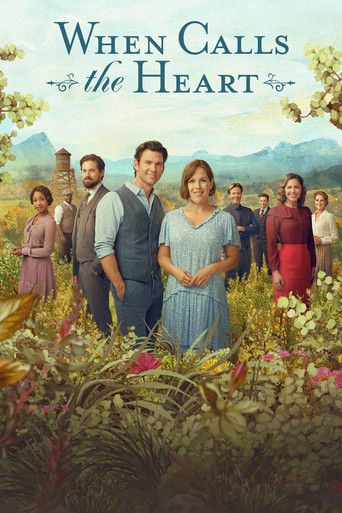
Downton Abbey began in 2010 and made the costume drama a worldwide habit again: a Yorkshire country house, the family upstairs and the servants below, from 1912 into the 1920s. Victoria, Sanditon and The Paradise followed where it led. The Good Doctor, with Freddie Highmore as a young surgeon with autism, became one of the most watched dramas in the world, and When Calls the Heart has run for thirteen seasons in a Canadian frontier town.
British comedy offered Detectorists, a gentle masterpiece about two friends with metal detectors in the fields of Essex, and Derry Girls, about five teenagers in Northern Ireland in the 1990s. For younger viewers there were Girl Meets World, Liv and Maddie, Good Luck Charlie, Andi Mack and High School Musical: The Musical: The Series.
The 2020s so far
Twenty-five series carry the red NEW mark or come close to it. Trying follows a London couple through the long process of adopting a child and is one of the kindest comedies of recent years. All Creatures Great & Small returns to the Yorkshire Dales of the 1930s with a young vet and has run for seven seasons. The Gilded Age brings the creator of Downton Abbey to the New York of the 1880s, and Julia tells how Julia Child invented the television cookery show.
Schmigadoon! traps a couple inside a golden-age musical. Acapulco is a bilingual comedy set at a Mexican resort in 1984. Man vs Bee and Man vs Baby bring Rowan Atkinson back to wordless chaos, The Santa Clauses continues a film series on the small screen, and The Baby-Sitters Club, The Mysterious Benedict Society and Geek Girl adapt well-loved books for a new generation. Georgie & Mandy's First Marriage is the newest sitcom in the directory to be filmed in front of an audience, seventy-three years after Lucy.
What makes a sitcom work
Ninety-two series in the directory are sitcoms, and it is worth asking why the form has lasted more than seventy years. A sitcom is built on a place and a group. The place may be a bar, a flat, an office or a living room, and it hardly changes; the group is small enough that every member can be known. Each week something disturbs the peace, and by the end of half an hour the peace is restored. The pleasure lies in watching familiar people behave exactly as you knew they would.
Two ways of making them have shared the decades. The older method, used by I Love Lucy, Cheers, Friends and The Big Bang Theory, films the show like a play in front of an audience whose laughter is part of the rhythm. The newer one, used by The Office, Modern Family, Scrubs and Superstore, films it like a small movie, with a moving camera and silence where the laughter used to be. Each has its strengths: the first has the energy of a live performance, the second can whisper.
What both need is a cast that fits together. The four at the centre of The Dick Van Dyke Show, the newsroom of The Mary Tyler Moore Show, the six of Friends and the study group of Community were each assembled with the care of a string quartet. When it works, viewers stop seeing actors and start seeing people they would like to know, which is why a sitcom can be watched from the middle, in any order, for years. The sitcoms page suggests where to start, and the sitcoms shelf holds all ninety-two.
Family shows
Sixty-two series suit the whole household. The oldest are the gentlest: Lassie, Leave It to Beaver, Flipper and Little House on the Prairie, which followed a pioneer family in Minnesota for nine seasons and two hundred episodes and remains a favourite with children who have just read the books.
The family sitcoms of the late 1980s and 1990s are a world of their own, bright, warm and neatly resolved. Family Matters began as the story of a Chicago policeman's household and was taken over by the boy next door. Step by Step merged two families under one roof. Home Improvement, Growing Pains, Boy Meets World and Who's the Boss? each grew up alongside their audience, and Fuller House and Girl Meets World returned to two of those households a generation later.
Recent family series have been made with unusual care. The Baby-Sitters Club is true to the books and to the age of its heroines. The Mysterious Benedict Society sends four gifted children on a secret mission, Holly Hobbie follows a young singer in a small town, Free Rein gives a city girl a horse on an English island, and The Mighty Ducks: Game Changers and Big Shot coach two unlikely teams. The family shows page sorts the shelf by age.
Teen favourites
Thirty-eight series were made for viewers between ten and eighteen. Saved by the Bell set the pattern in 1989: a charming schemer, his friends, a put-upon headmaster and a locker-lined corridor. The Wonder Years and Freaks and Geeks gave the same years a truer, more wistful treatment, and both are as rewarding for adults as for teenagers.
The Disney Channel and Nickelodeon then built a whole schedule on the idea. Lizzie McGuire and That's So Raven led to Hannah Montana, a schoolgirl with a secret life as a pop star, and to The Suite Life of Zack & Cody, twins loose in a grand hotel. Drake & Josh, iCarly and Victorious did the same for the rival channel, and Austin & Ally, Liv and Maddie, A.N.T. Farm, Good Luck Charlie, Andi Mack and Raven's Home kept the tradition going through the 2010s.
Older teenagers have Gilmore Girls, whose heroine studies her way from a small-town school to an old university, Friday Night Lights, Derry Girls and My Life with the Walter Boys. Australia contributes two series about girls who turn into mermaids, H2O: Just Add Water and Mako: Island of Secrets, and Kyle XY and Merlin add mystery and magic. The teen favourites page has the full list.
Drama
Seventy-two series tell longer stories. The West Wing is the grandest: a president and his staff, written with a wit and idealism that made viewers want to read the newspapers. Friday Night Lights is the most deeply felt, a portrait of a marriage and a town as much as of a team. The Good Doctor follows a gifted young surgeon who sees the body as a diagram and has to learn the rest.
A particular kind of drama has flourished in recent years: the small-town series in which very little goes badly wrong. Gilmore Girls is its ancestor. Hart of Dixie sends a New York doctor to Alabama, Sweet Magnolias follows three friends in South Carolina, Chesapeake Shores brings a family back to the Maryland coast, and When Calls the Heart sets a schoolteacher in a mining town of the 1910s. McLeod's Daughters is the Australian version, two half-sisters running a cattle station, and All Creatures Great & Small the English one. Viewers turn to these shows for the same reason they turn to a favourite novel, and the drama page lists them together.
Period pieces
Seventeen series are set in the past, and most began as novels. The BBC's Pride and Prejudice of 1995 is the starting point: six episodes, Jennifer Ehle as Elizabeth Bennet, Colin Firth as Mr Darcy, and a faithfulness to Jane Austen's wit that has kept it in constant demand for thirty years. Sanditon completes the novel Austen left unfinished, and Lost in Austen drops a modern Londoner through a door in her bathroom into the Bennet household.
Dickens is represented by Bleak House, told in brisk half-hour episodes like a serial, and by David Copperfield, with a ten-year-old Daniel Radcliffe as the young hero. Elizabeth Gaskell supplied Cranford, a comedy of manners in a village ruled by its ladies, and North & South, a love story set against the cotton mills of the industrial north. Jane Eyre and Vanity Fair give two more great heroines four and seven episodes respectively.
The great-house saga is the other branch of the family. Downton Abbey follows the Crawleys and their servants through the sinking of a liner, a war and the arrival of the telephone. The Gilded Age crosses the Atlantic to the mansions of Fifth Avenue, Victoria begins with a queen of eighteen, and The Paradise opens the doors of England's first department store. Jeeves and Wooster treats the 1920s as pure comedy. The period pieces page groups them by author.
Workplaces
Nineteen series are set where people earn their living, and the workplace has been one of television's richest subjects. An office gathers people who would otherwise avoid each other and makes them spend eight hours a day together, which is all a comedy needs. The Office and Superstore make the point with paper and shelving. The IT Crowd hides its heroes in a basement, and Better Off Ted works for a company that will invent anything.
Hospitality has produced classics on both sides of the Atlantic. Cheers is a bar, Fawlty Towers a hotel, Newhart an inn, Wings a small airport and Schitt's Creek a motel. Medicine has Scrubs, The Good Doctor and the teenage prodigies of Doogie Howser, M.D. and its Hawaiian successor. Newsrooms have The Mary Tyler Moore Show, shops have Open All Hours and The Paradise, and government has The West Wing. The workplaces page lists the shelf.
British comedy and drama
Around thirty series were made in Britain or Ireland, and they have a flavour of their own. British series are short. Fawlty Towers has twelve episodes, Detectorists eighteen, The IT Crowd twenty-four. A writer or a pair of writers produces every script, and stops when the idea is used up. The result is a shelf of shows that can be finished in a weekend and watched again the next.
The comedy ranges from the farce of Basil Fawlty to the stillness of two friends in a field. Only Fools and Horses and Keeping Up Appearances are comedies of class. Miranda talks to the camera, Outnumbered lets its children run the scene, Moone Boy gives an Irish schoolboy an imaginary friend, and Derry Girls finds the comedy in growing up during troubled times. The British page offers a tour.
Science fiction and adventure
Twenty-one series bend time or reality, mostly with a light heart. Quantum Leap is the best loved: each week its hero wakes in a stranger's life and must fix one thing before he can move on. The Time Tunnel and Voyagers! share its fondness for history. Warehouse 13, Eureka and The Librarians are about people who guard marvels, in a storehouse, a town of geniuses and a library.
The Good Place imagines the afterlife as a neighbourhood. Merlin retells Camelot, I Dream of Jeannie lets a genie loose in Florida, and Amazing Stories offers a new tale each week. From the Earth to the Moon, produced by Tom Hanks, is the true story of the Apollo programme told across twelve episodes, and Away follows the first crew to Mars. The science fiction page has the list.
Short runs and long runs
The number of seasons on each card is there to help you choose. Some series are an evening or a weekend: Jane Eyre and North & South have four episodes each, Pride and Prejudice six, Cranford seven, Dash & Lily eight and Man vs Bee nine short ones. Freaks and Geeks, at eighteen, is the perfect length for a week. The short runs page lists more.
Others are companions for a year. The Big Bang Theory has 279 episodes, Cheers 269, Modern Family 250, The Jeffersons 248 and Friends 228. At one a night, any of them will see you from one birthday almost to the next. Lassie, with 591, would take longer. Long-running comedies are the best background to ordinary life, since an episode fits between supper and bed and asks only that you turn up. The long runs page has the list.
How to watch a series well
Television rewards a different habit from film. A film is an occasion; a series is a routine. The happiest viewers pick a time, an episode after supper or two on a Sunday afternoon, and keep to it. Comedies of twenty-odd minutes suit weekdays. Hour-long dramas such as Downton Abbey or The West Wing suit the weekend, when there is time for the story to settle.
Start at the beginning, even with a sitcom that can be joined anywhere. First episodes introduce the people and plant the running jokes, and series such as How I Met Your Mother, The Good Place and Schitt's Creek build on what came before in ways that reward the order. Allow a new comedy four or five episodes before judging it. The Office and Community both needed a little time to find their voices, and both became favourites.
Use the episode list on each series page to keep your place. It gives the number, the title and the first air date of every episode, season by season, so a household that watches together can agree where it stopped. And resist finishing a favourite too quickly. Part of the pleasure of a long series is living alongside it for a while, as its first audience did.
Shows that belong together
Some series are best understood beside another. I Love Lucy and Georgie & Mandy's First Marriage are made by the same method seventy-three years apart, and watching one after the other shows how little a good joke needs. The Mary Tyler Moore Show and Ugly Betty are both about a decent woman in a demanding workplace. Cheers and Schitt's Creek are about a room where outsiders become regulars.
Several shows have direct descendants in the directory. Boy Meets World is continued by Girl Meets World, in which the boy has become a teacher and a father. That's So Raven leads to Raven's Home, Doogie Howser, M.D. to Doogie Kamealoha, M.D., and The Wonder Years set the pattern that The Goldbergs and Young Rock follow, a grown narrator looking back on a boyhood.
And some pairings are simply a matter of taste. A viewer who loves Gilmore Girls will usually take to Hart of Dixie. Admirers of Downton Abbey should try The Gilded Age and Cranford. The IT Crowd and The Big Bang Theory share a subject, Detectorists and Trying share a gentleness, and anyone who finishes Friends and misses it will find How I Met Your Mother waiting.
Where the shows live
A series belongs to its setting more completely than a film can, because the audience returns there every week. New York is home to Friends, I Love Lucy, The Honeymooners, Taxi, Mad About You, The Nanny and The Jeffersons. Boston has its bar, Minneapolis its newsroom, Chicago a psychologist's office and a policeman's household, and Scranton a paper company that put the town on the map.
Small towns are the favourite address of the gentler dramas: Stars Hollow in Connecticut, Bluebell in Alabama, Serenity in South Carolina, Dillon in Texas, Hope Valley in the Canadian west. Schitt's Creek is a town with an unfortunate name and a great heart. California supplies the high schools, from Bayside to the performing-arts corridors of Victorious, and Hawaii and Australia the beaches.
Across the Atlantic, the directory visits Torquay, Peckham, the Yorkshire Dales, the fields of Essex and the streets of Derry, along with the drawing rooms of Jane Austen's Hertfordshire and the mills of Mrs Gaskell's north. Acapulco spends its seasons at a pink resort on the Mexican coast, and Merlin in a Camelot of the imagination. Choosing a series is partly choosing where you would like to spend your evenings.
Ten shows worth discovering
The famous names look after themselves, so here are ten that deserve a larger audience. Detectorists is as close to perfect as a small comedy gets. Freaks and Geeks is the best single season of school drama ever made. Better Off Ted is a workplace satire that was ahead of its time. Trying and Moone Boy are two of the warmest comedies of the last fifteen years.
Northern Exposure is a drama of eccentrics under a huge Alaskan sky. From the Earth to the Moon makes the Apollo programme as gripping as any thriller. North & South is the period romance for viewers who have already seen Pride and Prejudice three times. Acapulco is sunny, bilingual and clever, and Schmigadoon! is a gift to anyone who knows the old musicals by heart. Each is a click away in the directory.
Decade by decade
The second grey box on the home page sorts the directory by the year each series began, and the counts tell a story of their own. Twenty-three shows survive from the first three decades of the medium, when a country had a handful of channels and a hit was watched by half its households. The 1980s and 1990s add sixteen and twenty, the high years of the network sitcom. The 2000s contribute thirty-six, as cable channels and children's networks multiplied, and the 2010s fifty-two, the first full decade of streaming. The 2020s already stand at twenty-five. The decade by decade page picks four series from each period.
Watching across the decades is a pleasure in itself. Sets grow larger, pictures sharper and families more varied, while the jokes stay recognisably the same. A viewer who goes from The Honeymooners to Everybody Loves Raymond will find two husbands making the same mistakes fifty years apart, and one who goes from Leave It to Beaver to The Middle will see how the suburban family learned to laugh at itself.
Theme tunes and opening titles
A series announces itself in thirty seconds, and the best opening titles are loved almost as much as the shows. The song that opens Cheers promises a place where everybody knows your name, over sepia drawings of old taverns. Friends has six people dancing in a fountain to a tune that topped the radio charts. The Fresh Prince of Bel-Air has its star rap the whole premise in under a minute, and Gilligan's Island does the same in a sea shanty, so that a first-time viewer needs to be told only once how seven people came to be stranded.
The Mary Tyler Moore Show ends its titles with a woman throwing her hat in the air on a Minneapolis street, an image so well known that a statue now marks the spot. The Office opens with a few bars on a piano over grey views of Scranton, and The Big Bang Theory races through the history of the universe in twenty seconds. The Wonder Years plays a famous song over home movies, The Monkees introduces a band, and Downton Abbey needs only a labrador walking towards a great house.
Modern series often skip the titles altogether, which is a small loss. A theme tune is a signal to the household that the evening has begun, and children who grew up with Saved by the Bell, Hannah Montana or iCarly can usually sing the whole thing decades later. If you find yourself humming one after a week with a show, the series has done its job.
Beginnings and endings
Because a series lives for years, how it starts and stops matters. Some first episodes are miniature classics: the wedding dress in the coffee house that opens Friends, the first awkward morning tour of the desks in The Office, the arrival of a new waitress in the opening scene of Cheers. A good pilot tells you who everyone is and why you will want to see them again.
Endings are harder, and the directory holds several of the best. The last episode of Cheers was watched by tens of millions and closes with a barman straightening a picture and switching off the lights. Newhart finished with one of the most celebrated surprises in the history of the medium. The Mary Tyler Moore Show sent its newsroom out of the door in a single shuffling embrace, Friends left six keys on a counter, and The Good Place and Schitt's Creek each ended by choice, at the height of their powers, with finales that their audiences still talk about.
A series that ends well repays the hours invested in it, and knowing that a good ending lies ahead is a reason to begin. The episode lists on each series page show exactly how far there is to go, and the final entry in each list is worth saving for an evening when the whole household can watch.
Faces you will see again
Television is an actor's medium, and the same faces return across the directory. Mary Tyler Moore appears in The Dick Van Dyke Show and then leads her own. Bob Newhart has two series a decade apart. Tim Allen moves from Home Improvement to Last Man Standing and The Santa Clauses. Rowan Atkinson is seen in Mr. Bean, Man vs Bee and Man vs Baby, thirty-five years of wordless trouble.
Raven-Symoné grows up between That's So Raven and Raven's Home, and Miranda Cosgrove between Drake & Josh and iCarly. Stephen Fry and Hugh Laurie share Jeeves and Wooster. Julian Fellowes wrote both Downton Abbey and The Gilded Age, and Michael Schur helped to shape The Office before creating The Good Place. Type any name into the search field and the series appear at once.
The top-rated shelf
Ninety-six of the 172 series hold an average of seven and a half or higher, which says something about how fondly television is remembered. The shelf is led by The Office, followed by The Good Doctor, Friends, Drake & Josh, Holly Hobbie, The Wonder Years, The West Wing, When Calls the Heart, Fawlty Towers and Boy Meets World. Children's series score highly because the viewers who rate them grew up with them, and that loyalty is a recommendation in itself. The Top rated shelf lists them in order.
Using CokeAndPopcorn
The dark panel at the top carries the cup and the popcorn, the name, a line of description and a search field; a strip of links beneath it leads to the main shelves. The home page then prints the directory itself, every series in alphabetical order with The and A set aside, in five columns on a wide screen and two on a telephone. Grey boxes on the left list the shelves by kind and by decade with their counts, and the panels on the right show posters of the most watched and the best rated.
Choosing a title brings up the series page. It opens with the poster, the name, the year the show began, the number of seasons and the rating, followed by the cast, the genres and a few lines of description. Beneath are the seasons, each one opening to show its episodes by number and title. To watch, set your country and press Watch now; JustWatch will list the services that carry the series where you are. Add to My List saves a show for later, the My List link in the dark strip opens what you have saved with a Remove button for each, and because the list is kept in your own browser it stays on your device unless you save a copy as a file. The My List page covers each step.
A year of television
For a viewer who wants a plan, here is one that fills a year with an episode or two a night. Spend the winter with Friends, all ten seasons. In spring, change pace with Downton Abbey at the weekends and Fawlty Towers and Detectorists in between. Give the summer to The Office, and take Freaks and Geeks on holiday.
In autumn, try Schitt's Creek, which grows warmer with every season, and finish the year with The Good Place, four short seasons that end exactly where they should. Along the way you will have laughed in two countries and five decades, and the directory will still hold more than a hundred and sixty series you have yet to open.
Questions and answers
The questions below are those most often asked about CokeAndPopcorn, with short answers. Fuller help is on the help pages named throughout this guide, including the how to watch page.
Questions
What is CokeAndPopcorn?
CokeAndPopcorn is an A to Z directory of 172 television series first shown between 1951 and 2025, each with its seasons and episodes listed and a Watch now button to official services.
Does it list films as well?
The directory is for television series only; every title is on the TV Shows page.
How many episodes are listed?
The 172 series have 811 seasons and 15,835 episodes, and each series page lists them in order with titles and air dates.
Which is the oldest series?
I Love Lucy, which began in 1951. Twenty-three series in all began before 1980.
Which series are rated highest?
Ninety-six series hold seven and a half or more, led by The Office, The Good Doctor and Friends.
Is the directory suitable for families?
Yes. The selection favours comedy and gentle drama, and sixty-two series sit on the Family shelf.
How does My List work?
Press Add to My List on a series page. The shortlist lives in your browser, and the list page can save a copy as a file.
Does CokeAndPopcorn host episodes?
CokeAndPopcorn is a guide only. Every Watch now button opens JustWatch, which lists the official streaming, rental and purchase services for your country.
